/ 3 min read
Creating a second brain that can think with you
How I am building an AI-enhanced second brain in Obsidian that stores my processes, runs reusable skills, and keeps tasks connected to the notes they came from.
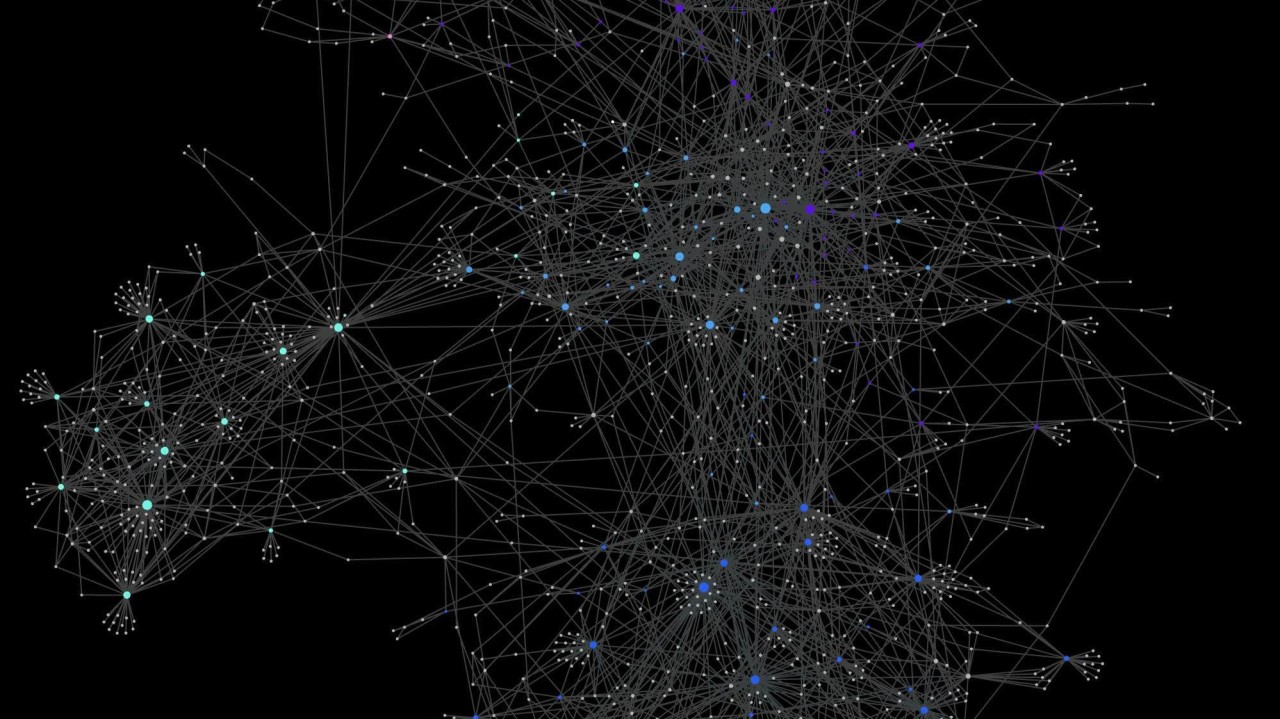
My memory is notoriously bad, when I walk to the garage, I forget what I was supposed to do there. This fact makes the idea of offloading everything you need to remember very appealing. I am building one with Codex and Obsidian: an AI-enhanced personal knowledge repository that helps me organize my life and remember what matters.
Obsidian is a free note-taking app where all notes live together in a "Vault": a personal workspace. That vault can contain anything you want to remember, manage, or think through. For me, that includes daily notes, work processes, research, finances, stock analysis, Kanban boards, meeting notes, rough ideas, and even recipes or places I want to visit sometime. Obsidian is also highly customizable due to its community plugins.
It is a good base because the notes are mine, easy to search, easy to link, and easy for AI tools to work with because it is all based on Markdown. Once AI can work across that context, the workspace becomes more than a notebook. It becomes something I can ask questions, run processes, and think with.
Notes as working context
With Codex, the agent I use to work with my notes, I can do much more than look up information. Rough thoughts can become concept ideas. Meeting notes can become a plan or task list. A research folder can become a report. A stock note can become a structured analysis.
One of the most useful things to store is process: how I prepare for a product review, structure UX research, evaluate a design direction, document design decisions, give feedback to a team, or follow a specific GitHub flow.
Most of these workflows usually live in my head, or if it is documented, I don't know where to find it so easily. That works until I am tired, busy, interrupted, or returning to something after a few months.
So I want to document them directly in the second brain as small, practical notes. Then AI can help me recover the context or run the process:
- "What is important today based on my notes and tasks?"
- "Can you remind me on Johns viewpoint during the meeting I had with him last week?"
- "How does the process of X work again?"
- "Use my UX research process and turn these notes into themes."
- "Explain the GitHub flow I documented for this project."
- "Analyze these research results and provide a report."
This is where the second brain becomes useful. It helps me see patterns, recover context, and move work forward in my own way of working.
Skills as reusable workflows
A skill is a reusable instruction set for an AI agent. It describes how I want the agent to approach a certain type of work, what context matters, what steps to follow, and what a good result should look like.
That could be analyzing a stock, summarizing research, extracting todos, improving writing, or learning a new subject. Instead of starting from zero every time, I can run a skill against the notes.
The important part is that the skills live close to the knowledge. They are not random prompts lost in chat history. They are part of the second brain and can evolve with it.
Tasks stay connected
For action, I use a Kanban-style board inside the same workspace: to do, in progress, done. The useful part is that tasks stay connected to the notes that created them.
A task can come from a meeting note, a research thread, a blog idea, a finance review, or a daily note. With AI connected to the workspace, I can ask:
- "Which tasks are blocked?"
- "What should move to in progress today?"
- "Create todos from this meeting note."
- "Show me tasks related to finance, work, and writing."
The board becomes a layer of action on top of the knowledge repository.
Why this matters
For me, the value is mental space.
I do not want to remember every process, every link, every decision, every idea, or every loose thread. I want to put those things somewhere reliable and trust that I can find them again.
AI turns it into something more than a knowledge base: an assistant that helps me save mental space, reorganize scattered thoughts, identify what's important and guide me on my day to day work.